



Conversation and shared interests
Time for a proper chat, favourite programmes, music, games, hobbies or simply enjoying a cup of tea together.
Companionship and day-to-day support
A professional carer brings good company, practical help and steady reassurance, while protecting the routines, choices and independence that make home feel like home.
111 reviews onTrustpilot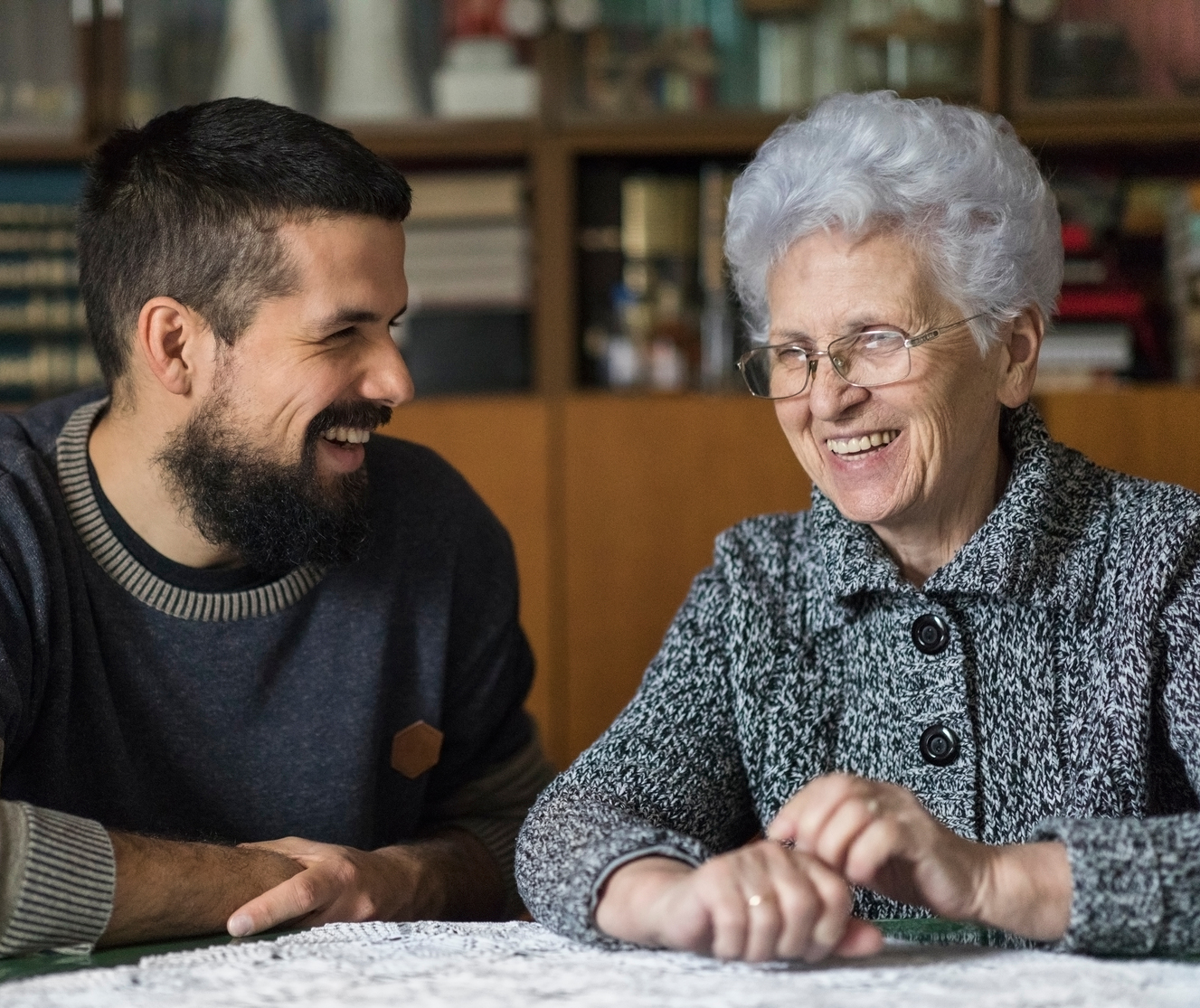
Company that feels natural.Support that keeps life moving.
One-to-oneTime shaped around one person
Familiar routinesSupport that fits the way they live
Fully managedA care team stays involved
More than company
Companionship care is personal because a good day means something different to everyone.
It might mean cooking lunch together, getting to a regular club, walking the dog or having another person nearby while daily tasks get done. The aim is not to organise someone's life for them. It is to make more of their own life possible.
Day-to-day support
Every care plan is individual. These are common ways a companion carer can help someone stay connected, confident and comfortable at home.
Time for a proper chat, favourite programmes, music, games, hobbies or simply enjoying a cup of tea together.
Planning meals, shopping together and preparing food that feels familiar, enjoyable and right for the person.
Company for appointments, errands, visits, walks and the local places that keep someone connected to their community.
Light housekeeping, laundry, post and the small practical jobs that help the day feel calm and manageable.
Gentle reminders around planned routines, hydration or medication, always in line with the agreed care plan.
A familiar professional presence who notices changes and keeps the wider Edyn care team informed.

Company where wanted.Independence everywhere possible.
Care around the person
When it can help
There is no single moment when companionship becomes necessary. Often it starts with small changes that make daily life narrower, less confident or harder to sustain.
Regular company can bring conversation, purpose and something to look forward to without filling every moment of the day.
A trusted person alongside can make shopping, appointments, walks and favourite activities feel possible again.
Practical help with meals, errands and light household tasks can make home life feel less overwhelming.
A consistent carer and managed care team can provide reassurance while keeping relatives appropriately informed.
After illness or a hospital stay, companionship and practical support can help someone settle back into life at home.
Planned support can protect important family relationships and give everyone more sustainable time and space.
One joined-up care plan
The right arrangement can begin with lighter day-to-day support and change over time, without losing the familiar relationship at its centre.
Fully managed by Edyn
Edyn assesses and plans care, supports the professional carer and stays close to the family. Care coordination and thoughtful technology help important details stay connected.
See how Edyn works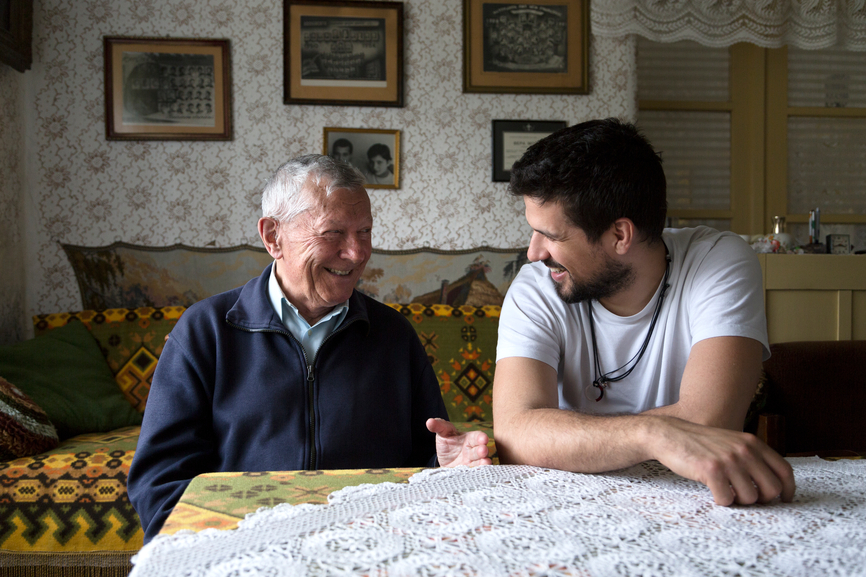
Client + live-in carerCare at home, working together every day

Care ManagerCare-plan reviews and quality oversight

Care CoordinatorDay-to-day planning and continuity

Edyn technologyLive updates and family visibility
One shared care plan.People and technology staying connected around the home.
Clear costs
Cost depends on how much support is needed and the shape of the care plan. A Care Advisor can explain the available options, likely cost and routes to paying for care without pressure.
Common questions
A conversation with a Care Advisor will give you answers grounded in the person, their home and what is changing now.
No. It can help anyone who would value regular company, practical support or more confidence in daily life. Some people live alone, while others live with a partner or family member who cannot always provide the support needed.
Yes, if personal care is identified in the assessment and included in the care plan. Companionship may sit alongside help with washing, dressing, mobility or medication, so the arrangement can adapt without losing the relationship at its centre.
Yes. A carer can accompany someone to appointments, shops, social visits and local activities. If driving is needed, Edyn will discuss the practical requirements and look for a suitable carer match.
This page describes the companionship and day-to-day support that can form part of an Edyn care plan. Edyn will explain the available arrangement after understanding how much support is needed and when it is needed.
Skills and safe recruitment checks matter, but shared interests, communication style and personality matter too. Edyn discusses what a good day looks like and uses that picture to guide the carer match.
The Care Manager reviews the care plan and can add, reduce or change support as circumstances develop. Families do not have to start the search again or manage changes alone.