


Treatment-day support
A carer can help someone prepare for appointments, travel safely, settle back at home and follow the practical guidance provided by their clinical team.
Cancer care at home
One-to-one support can make treatment, recovery and daily life feel more manageable in the comfort of home.
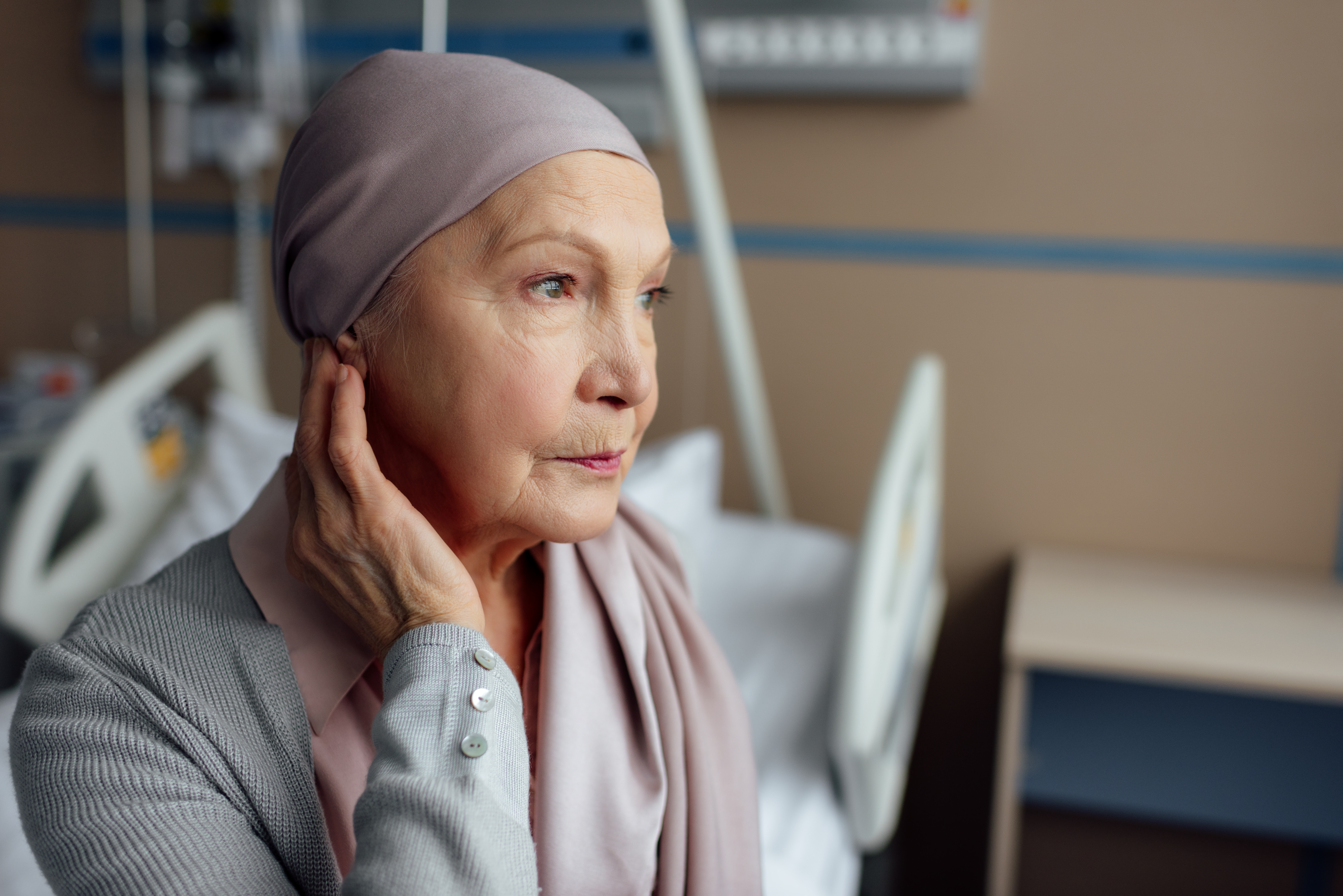
Support on the difficult days.Independence on the better ones.
One-to-onesupport in the home
Fully managedby an Edyn care team
CQC registeredcare across England
Living beyond the appointment
A diagnosis can bring appointments, uncertainty and days when even familiar routines take more energy. No two experiences are the same, and needs can shift throughout treatment and recovery.
Live-in care offers a steady presence at home: someone who understands the plan, notices changes and helps everyday life continue around the person and their priorities.
Everyday support
Care works alongside the oncology team and follows the clinical guidance, medication plan and escalation contacts they provide.
A carer can help someone prepare for appointments, travel safely, settle back at home and follow the practical guidance provided by their clinical team.
Gentle encouragement, familiar food and flexible mealtimes can help when appetite, taste or energy changes during treatment.
Prompts or safe administration can follow the agreed care plan, alongside careful recording and escalation of any concerns.
Discreet help with washing, dressing, continence and skin care can flex around pain, fatigue and how the person feels that day.
A carer can take care of practical tasks while helping the person save their energy for the routines, people and moments that matter most.
Consistent one-to-one support helps families stay informed and gives everyone space to be a partner, child or friend rather than only a carer.
Responding to change
Cancer and its treatment can affect the whole person. A consistent carer can observe day-to-day changes and share concerns through the agreed care and clinical channels.
Read NHS cancer guidance
The wider picture
More than 200different types of cancer
Almost 3.5 millionpeople are living with cancer in the UK
Every 75 secondssomeone is diagnosed in the UK on average
1 in 2people diagnosed now survive for at least 10 years
Treatment is personaland depends on the cancer type and individual
Home still mattersthrough treatment, recovery and longer-term care
Care through change
The right level of care depends on the person's treatment, symptoms, home and the people already around them.
Care can be arranged around chemotherapy, radiotherapy, surgery or other treatment, with extra support on difficult days and space for independence when energy returns.
After treatment or surgery, support can focus on rebuilding routines, following clinical advice and regaining confidence safely at home.
For people living with cancer over the longer term, care can adapt to changing symptoms while protecting normality, relationships and the person's own priorities.
When care is focused on comfort and quality of life, a live-in carer can work alongside community nurses, GPs and specialist palliative teams to provide calm, practical support at home.

Preparing the home
Before care begins, we look at routines, risks and practical ways to make the home feel comfortable, organised and reassuring.
Create comfortable places to rest near everyday family life, with useful items, drinks and communication within easy reach.
Keep a range of simple options available and adapt portions, timings and textures around appetite and clinical guidance.
Use one clear place for appointment details, medication records and contact numbers so everyone knows what is happening next.
A Care Manager can revisit risks, routines and support when treatment changes or new needs emerge.
Fully managed cancer care
A Care Manager learns about the diagnosis, treatment plan, routines, risks and what matters to the person.
We select a professional carer whose experience, manner and approach fit the person's needs and household.
As treatment or symptoms change, the wider Edyn team can review support and update the care plan with the family.
Questions families ask
Cancer care can involve several teams and a great deal of new information. These are some common questions about support at home.
Yes. A carer can help with practical preparation, transport, meals, hydration, personal care and rest around treatment. Clinical advice and concerns about side effects must always be directed to the person's oncology team or the emergency contact they have provided.
Cancer treatment can affect energy and symptoms differently over time. The care plan can be reviewed as needs change, with more help on difficult days and encouragement for independence when the person feels stronger.
Medication support depends on the agreed care plan, the medicine involved and the carer's training. Edyn assesses this before care begins and works within clear professional boundaries.
Yes. Live-in care provides day-to-day non-clinical support and can work alongside GPs, district nurses, oncology teams and specialist palliative services. It does not replace nursing or medical care.
No. Families may arrange care during treatment, after surgery, through recovery or while living with cancer over the longer term. Support is shaped around what the person needs now.