


Familiar routines
Meals, appointments, hobbies and bedtime can follow a reassuring rhythm shaped around the person.
Dementia care at home
One-to-one care can help someone living with dementia remain in the home they know, surrounded by their routines, memories and community.
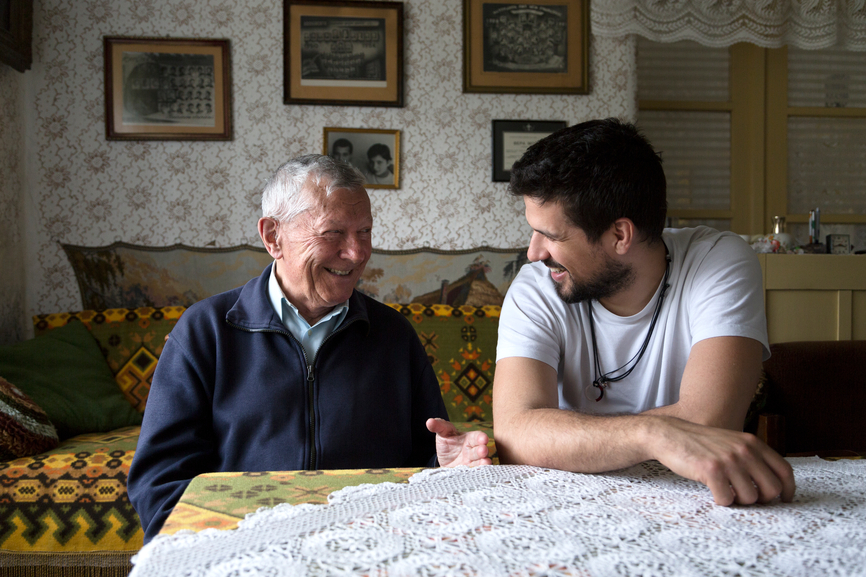
Care built around the person.Not just the diagnosis.
One-to-onesupport in the home
Fully managedby an Edyn care team
CQC registeredcare across England
The person comes first
A diagnosis can bring uncertainty, but it does not mean a meaningful life must stop. With appropriate treatment and support, many people continue to stay active, connected and involved in the things that matter to them.
Good dementia care begins by understanding the individual: their history, preferences, communication, culture, routines and how they experience the world today.
Everyday support
The care plan brings clinical guidance and personal knowledge together, then evolves as needs change.
Meals, appointments, hobbies and bedtime can follow a reassuring rhythm shaped around the person.
Patient, discreet support with washing, dressing, continence and the everyday tasks that may become harder.
Prompts or safe administration in line with the agreed care plan, with changes shared with the wider care team.
Regular drinks, familiar meals and calm encouragement, adapted as preferences or abilities change.
Conversation, music, memories and meaningful activity without rushing or taking over what someone can still do.
One-to-one support at home, with risks noticed early and the environment reviewed as needs evolve.
Understanding dementia
Dementia is a group of symptoms caused by diseases that damage the brain. Everyone experiences it differently, and it is not a natural part of ageing.
Read NHS dementia guidance
The wider picture
Nearly 1 millionpeople in the UK are living with dementia
Over 500,000people in England have a formal diagnosis
1 in 11people over 65 in the UK have dementia
70%of older-age residential care residents in England have dementia
1 in 8 deathsin England and Wales in 2025 involved dementia and Alzheimer's disease
Many formswith symptoms and progression differing from person to person
Different forms
Symptoms, progression and support needs vary. A clinical diagnosis and Edyn's care assessment help us understand what matters now, without making assumptions about what comes next.
The most common cause of dementia. Early changes often involve recent memory, finding words, planning and becoming confused in unfamiliar places.
Caused by reduced blood flow to the brain. Changes can include attention, planning, mood and movement, and may appear gradually or after a stroke.
Can involve fluctuating confusion, visual hallucinations, disturbed sleep, slower movement, falls and some memory changes.
More often diagnosed at a younger age than other forms. Early signs may include changes in personality, social behaviour or language.
A dementia-friendly home
Before care begins, we assess the home and agree practical ways to support safety without making it feel clinical.
Protect recognisable rooms, belongings and routines wherever possible.
Use clear contrast, even lighting and simple patterns across floors and furnishings.
Clear signs, visible everyday items and uncluttered routes can support independence.
A Care Manager can revisit risks, equipment and the care plan over time.
Fully managed dementia care
A Care Manager learns about needs, risks, routines and the person behind the care.
We select a professional carer with the right experience, manner and shared interests.
The wider Edyn team oversees quality, continuity and changes to the care plan.
Questions families ask
Every family starts in a different place. These are some of the questions we often hear first.
Many people can continue living at home with the right level of support. Whether live-in care is appropriate depends on the person's needs, risks, home environment and preferences. Edyn begins with a care consultation and assessment rather than assuming one arrangement fits everyone.
The assessment identifies the experience, skills and personal qualities needed. Edyn then selects a suitable professional carer and provides ongoing oversight through the wider care team.
Care is reviewed as circumstances change. A Care Manager can update the plan, reassess risks and discuss whether additional or different support is needed.
A live-in carer can provide limited help during the night, but also needs sufficient uninterrupted rest. Frequent waking or continuous night support may require a waking-night carer or another arrangement.
Timing depends on the assessment, level of need and finding the right carer match. Edyn will explain what is realistically possible and prioritise a safe, considered start.